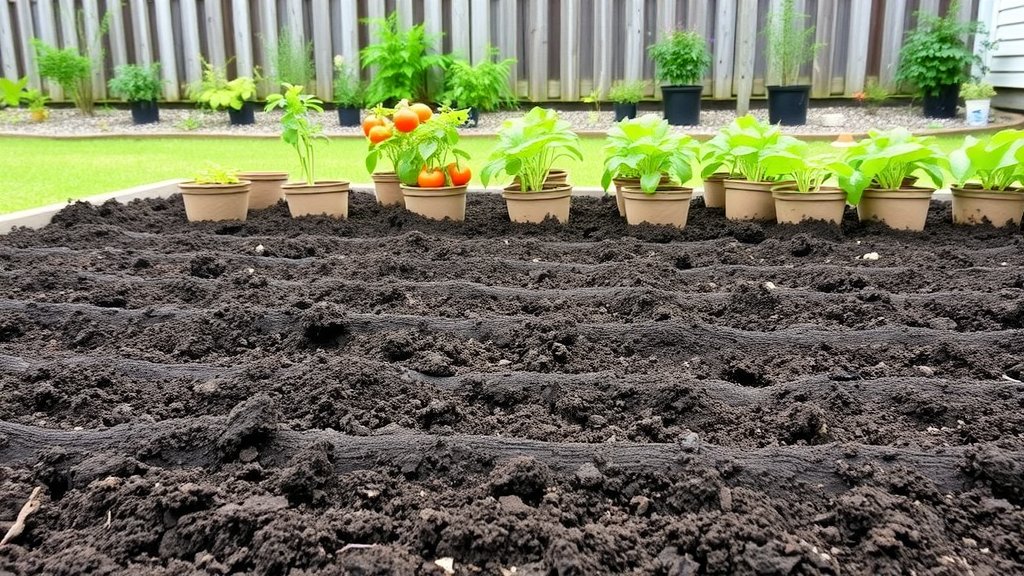
Starting your vegetable garden: simple steps for beginners
Starting a vegetable garden might seem like a daunting task, but it’s actually a rewarding and enriching experience. Imagine biting into a crisp radish or plucking fresh basil for your pasta sauce—straight from your own garden! This guide will walk through the essential steps to turn your gardening dreams into reality, one patch of dirt at a time. If you are new to gardening, you can find more detailed steps on how to moestuin aanleggen beginners.
Picking the perfect spot
Choosing the right location for your vegetable garden is crucial. The spot should receive plenty of sunlight—ideally, at least six hours a day. Most vegetables thrive in direct sunlight, and trust me, they’ll thank you with lush growth and bountiful harvests. A flat area is preferred because it helps with water distribution and soil erosion.
Soil quality can make or break your garden. Testing the soil pH is a good start; most veggies prefer slightly acidic to neutral soil (pH 6-7). If the pH is off, don’t sweat it! Adding compost or manure can adjust the levels and enrich the soil with essential nutrients. And hey, if you’re worried about sustainability, Milieu Centraal has some great tips on eco-friendly gardening practices.
Choosing your veggie lineup
This might be the most exciting part—deciding what to grow! For beginners, starting with easy-to-grow vegetables like lettuce, radishes, spinach, and various herbs is a smart move. These plants are pretty forgiving and don’t require much fussing over (perfect for those who might not have the greenest thumb just yet).
Creating a planting calendar can help keep things organized. Rotating crops each season keeps the soil healthy by preventing pests and diseases from settling in. If space is an issue, raised beds or pots can maximize your growing area. A general rule of thumb: plan for about one square meter per person in your household for a modest harvest.
Easy-to-grow options
Radishes are quick to mature, often ready to harvest in just 3-4 weeks. Lettuce grows fast too and can be harvested leaf by leaf, ensuring a steady supply of greens. Spinach is another speedy grower that’s packed with nutrients. And herbs like basil, parsley, and cilantro not only add flavor to meals but are also relatively low-maintenance.
Prepping the soil
Once you’ve picked out your spot and decided what to grow, it’s time to get your soil in shape. Start by clearing any weeds or debris from the area. Loosening the soil with a garden fork or tiller will help roots penetrate more easily. Mixing in organic matter like compost or aged manure improves soil structure and fertility.
If your soil is heavy clay or sandy, consider adding amendments to improve its texture. Clay soil can benefit from gypsum and organic matter to enhance drainage, while sandy soil might need more compost to retain moisture. Regularly working organic matter into your garden bed will keep it healthy and productive over time.
Maintaining your garden
Maintaining a vegetable garden involves regular care and attention. Watering is crucial—most vegetables need about an inch of water per week. Early morning watering reduces evaporation and gives plants time to absorb moisture before the heat of the day kicks in. Mulching around plants helps retain moisture and suppress weeds.
Pests and diseases are inevitable challenges, but there are eco-friendly ways to manage them. Companion planting (like growing marigolds with tomatoes) can deter pests naturally. Regularly inspecting plants for signs of trouble and removing affected leaves or using organic sprays can keep problems in check without resorting to harsh chemicals.
Harvesting is perhaps the most gratifying part of gardening. Picking vegetables at their peak ensures the best flavor and nutrition. Radishes should be plucked when they are firm and bright-colored; lettuce leaves can be snipped as needed; herbs should be trimmed regularly to encourage new growth.